The Hidden Math Behind Your Smart Home Subscriptions

Smart home subscription costs are the part of the bill nobody sees coming. The camera cost $80. The doorbell was on sale. A year later there are four small charges on the card, none of them big enough to bother cancelling, all of them renewing quietly forever.
This is about that second number, the one that never appears on the box. Every figure here is an estimate based on published US pricing checked in August 2026, in US dollars. Plans and availability differ by country and change often, so treat these as a starting point and check your own account.
What you are paying for when you subscribe
Here is the useful thing to understand first. The fee almost never buys the core function of the device. Your doorbell still rings without it. Your lock still locks. Your vacuum still vacuums.
What a plan rents you is memory and judgment. Memory is the cloud storage, the 30 or 60 or 180 days of clips you can scroll back through. Judgment is the software deciding whether that was a person, a package, a passing car or a moth on the lens, and whether any of it should wake your phone at 2am.
Some plans add professional monitoring, where a call center responds to an alarm. Some bundle an extended warranty. Once you see the fee as renting memory and judgment rather than unlocking the gadget, the tiers get much easier to compare across brands.
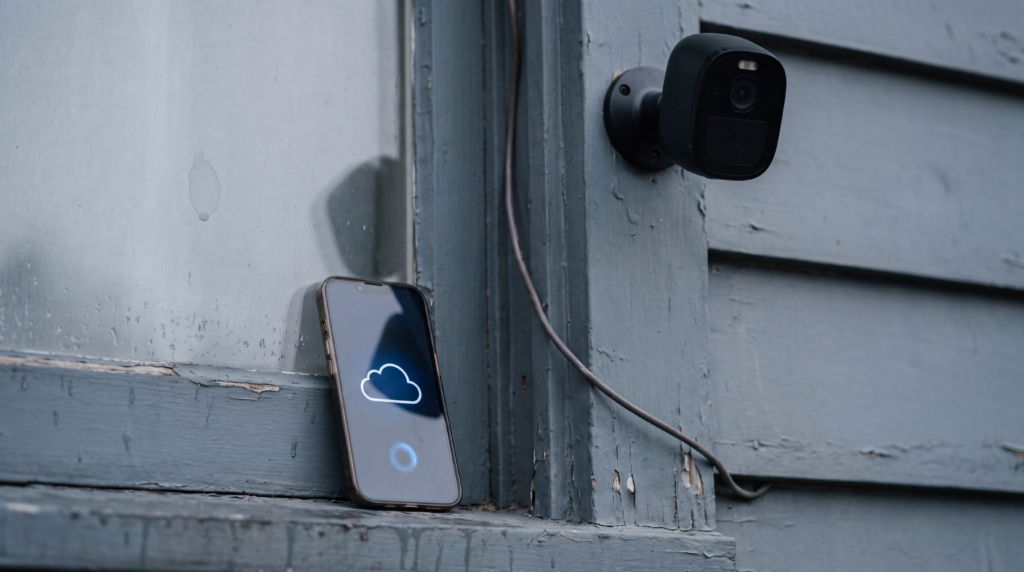
Smart home subscription costs by category
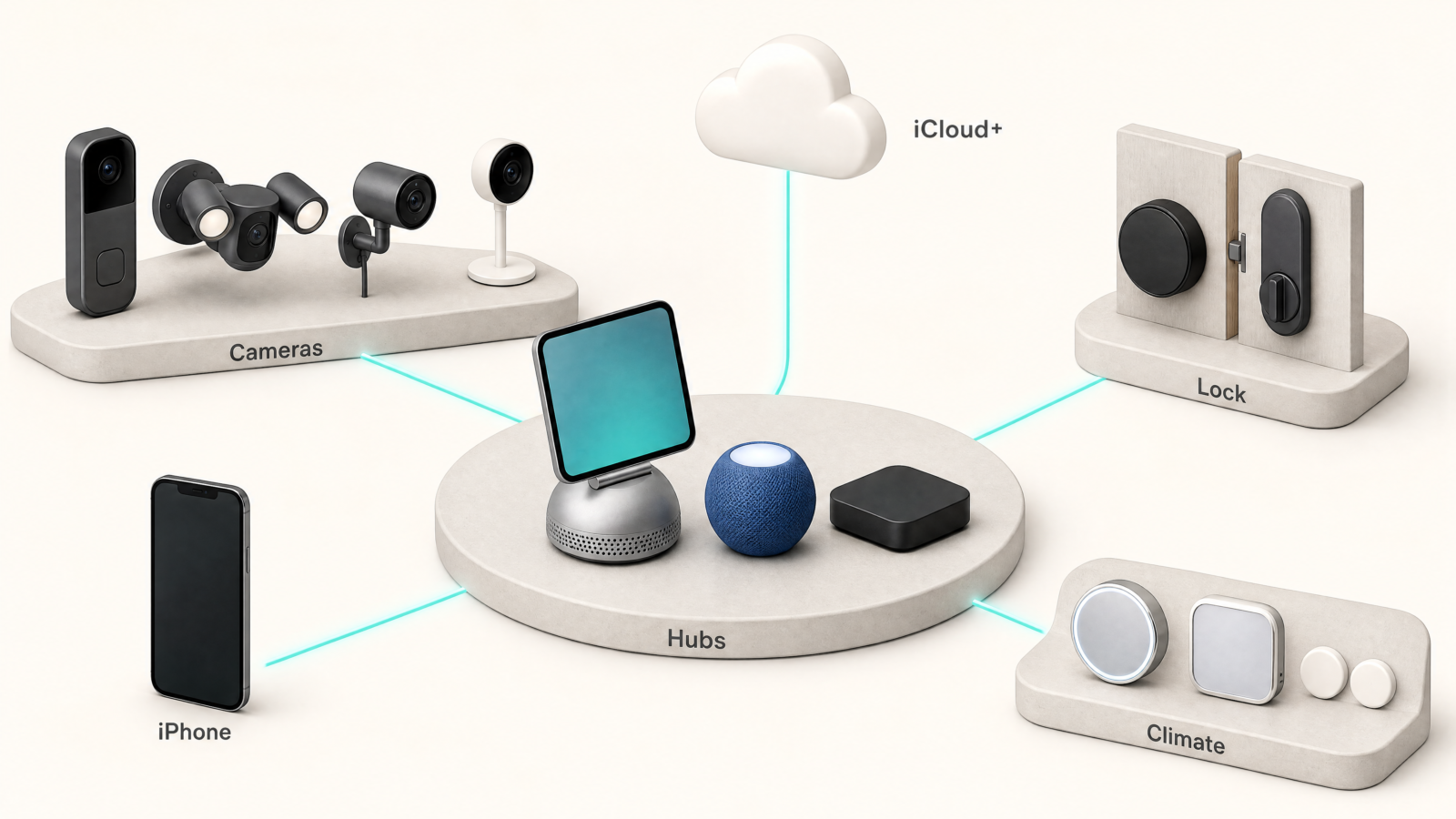
Cameras and video doorbells
This is where nearly all of your smart home subscription costs live.
Ring renamed its plans to Ring Protect in 2026. One device runs $4.99 a month or $49.99 a year. Every device at one address runs $9.99 a month or $99.99 a year. The tier that adds professional monitoring runs $19.99 a month or $199.99 a year.
Google retired Nest Aware entirely and replaced it with Google Home Premium. Standard is $10 a month or $100 a year and holds 30 days of event history. Advanced is $20 a month or $200 a year, with 60 days of events plus a window of continuous recording.
Arlo lands in the same band, roughly $7.99 a month for a single camera and $17.99 a month for unlimited cameras. Wyze holds the budget end at $2.99 a month per camera, with an unlimited plan at $9.99 a month or $99 a year.
The pattern is more useful than any single figure. One camera is genuinely cheap. The whole home tier is where most households end up once the second and third camera arrive, and across brands that tier clusters right around $10 a month. If you are still choosing hardware, our roundup of the best doorbell cameras of 2026 shows which models lean hardest on a plan.
Voice assistants
This is the newest line on the list. Amazon opened Alexa+ to everyone in the US in February 2026. It is included with Prime and $19.99 a month without it. Google folds its Gemini for Home features into the same Home Premium plan that covers the cameras.
Most households pay this one inside a membership they already have, which is exactly why it slips past the budget. It is still worth knowing what your voice assistant hears and what leaves the house.
Robot vacuums
Good news in this category. Mapping, scheduling, no go zones and voice control ship with the machine on every major brand. Roborock, Dreame, Shark and Eufy charge nothing to keep using what you already bought.
The notable exception was iRobot’s Select membership at $29 a month, which bundled the robot itself with supplies and a warranty rather than unlocking software, and it is now closed to new customers. A few brands sell optional AI video add ons for $2 to $3 a month. None of it is needed to clean a floor, so when you are picking a robot vacuum and mop combo, judge it on suction and mopping.
Smart locks
Mostly free as well. Locking, unlocking, guest codes and phone access come with the lock on mainstream models. Fees turn up when a lock is folded into a camera ecosystem or a rental management platform, which is a different product doing a different job. Our smart lock picks for 2026 are a good place to see which brands keep the app free.
How to run your own three year number
Skip the comparison charts. Your own smart home subscription costs are the only ones that matter, and working them out takes about ten minutes.
Write down every device in the house that has an app. Next to each one, put the plan you are on and what it costs per month. Multiply the total by 36. Then add the ones you will have forgotten: the trial that converted, the plan on a second property, the cellular backup on the alarm.
An example. A video doorbell and two cameras on one whole home plan at $9.99 a month comes to $359.64 over three years. The same three devices on the annual version of that plan, at $99.99, come to $299.97. Identical cameras, identical features, $59.67 apart, and the only thing that changed was the billing cycle.
Now set that beside what the hardware cost. In a lot of households the plan quietly outgrows the devices somewhere in year two. That is the moment worth knowing about before you buy, not after.
The renewal step up nobody budgets for
The price you sign up at is a floor, not a fixed cost.
Wyze raised its annual Cam Plus plan from $19.99 to $29.99 in March 2026, a 50 percent increase for people who had chosen that plan at the lower number. Google raised Nest Aware pricing and then retired the product outright. Ring reshuffled its tiers and renamed them. All three happened inside roughly two years.
None of that is scandalous, and these companies have real costs behind the storage. It does mean a three year estimate of smart home subscription costs built on today’s price is an optimistic one. Add 10 to 20 percent to your total, or set a reminder a week before each renewal date, which is the one moment the price is easy to see.
What you give up when you cancel
Cancelling is less dramatic than it feels, though it is not free.
Live view almost always keeps working, so you can still open the app and look at the front door. Recorded history is what goes. Depending on the brand, you lose old clips immediately or after a short grace period, so download anything you need first. Smart alerts drop back to plain motion detection, which on a windy street means more notifications rather than fewer.
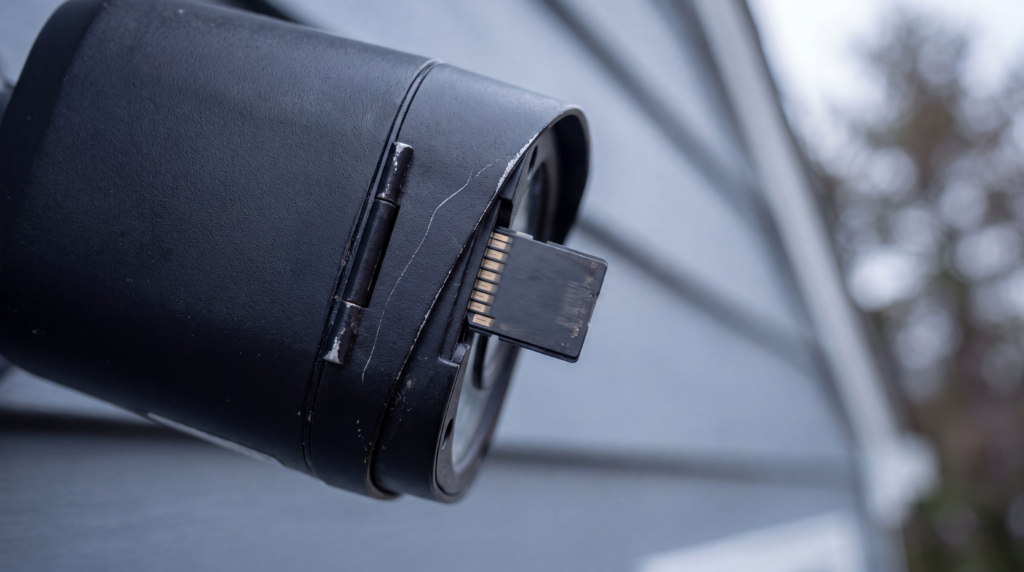
Local storage is the thing that survives. A camera with an SD card slot or a base station keeps recording with no plan at all. If you are shopping now and you suspect you will cancel eventually, that one spec is worth more than anything printed on the front of the box.
Five questions to ask before you buy
Ask these at the product page, before the box arrives. They are the five answers that set your smart home subscription costs for the next three years.
- Does the device do its main job with no plan at all
- Is there local storage, an SD card slot, or a base station
- What does the whole home tier cost, not the single device one
- What happens to my saved clips the day I stop paying
- Has this brand changed its prices in the past two years
Write the number down once
Smart home subscription costs are not the villain here. $10 a month for something you open every day is a fine trade. The problem is the version nobody looks at, where four plans renew on four different dates and the total has never been written in one place.
Write it down once. Then decide, with the three-year figure in front of you instead of the monthly one. If you are weighing hardware right now, our complete doorbell camera guide covers what to buy and what to skip.